
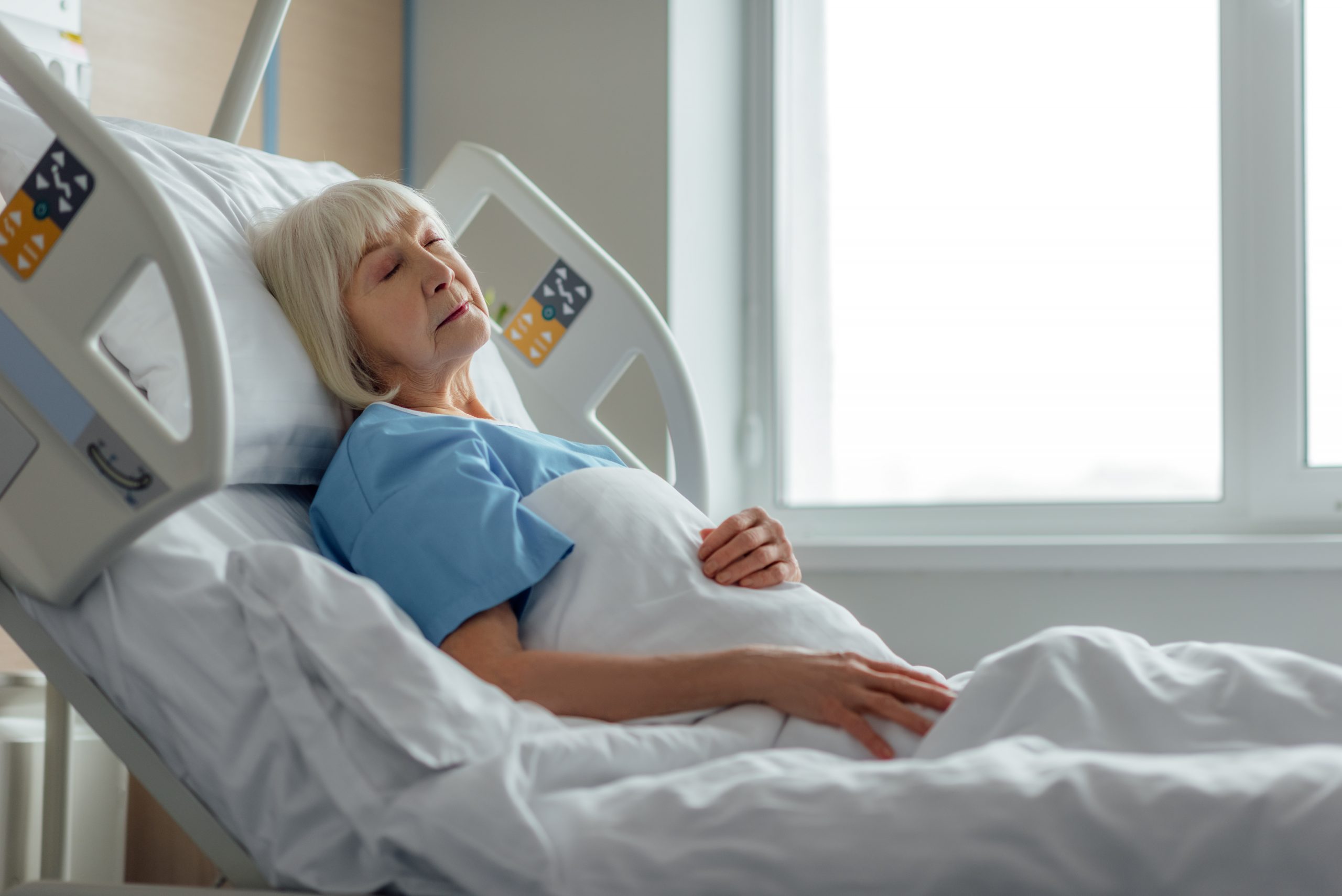
Hospitals are meant to be a sanctuary of recovery to wellness, a place where rest and recuperation are prioritized to ensure the body and mind can heal. Yet, it is not a surprise for health practitioners to hear frequent complaints of sleep issues from hospitalized patients, with a particular prevalence among those in critical care units.
Research studies suggest that reports of sleep deprivation from patients, including problems with sleep onset, sleep fragmentation, and early awakenings, range from 43%-91% during their hospital stay. A paradoxical setup, this pervasive issue should be a major concern considering the undeniably significant role of sleep in the process of recovery and overall well-being.
A major concern is that inadequate quantity and quality of sleep are likely to worsen health and recovery outcomes for hospitalized patients. Many patients who are treated in the Intensive Care Unit (ICU) have a complex history of underlying premorbid conditions that may have inherently caused sleep disturbance pre-hospitalisation.
To begin with, obstructive sleep apnoea, insomnia, and restless leg syndrome are sleep disorders of high prevalence within the broader population and therefore would not surprisingly tag along with their host into the hospital bed. At times these and other sleep disorders may not have been treated and only brought to light whilst in the care of health practitioners. However, having a sleep disorder does not exclude a patient from experiencing even further disturbance to sleep whilst in the ward. Notably, the relationship between problems with sleep and the debilitating experience of delirium during hospitalization is of particular concern. ICU-related delirium is not uncommon – particularly among older adults – and its severity is further impacted by sleep deprivation or circadian rhythm disruption.
There is a larger ripple effect of sleep disturbance in patients than one may realise. This is seen in the tangible impact on the financial dynamics of the hospital itself when patients tend to require longer hospital stays as they battle slower recovery and immune system impairment that can be, even if only in part, to sleep disruption. It is also worth noting that sleep loss and daytime fatigue while in the hospital do not necessarily end upon discharge and may continue long after the patient has returned home. The permeation of sleep disorders beyond hospital walls is of troubling frequency in cases of co-existing health conditions.
Although sleep may be affected by intrinsic factors such as the severity of illness, the presence of pain, or the burden of anxiety, it seems the role of the ward or ICU environment in promoting sleep is often overlooked. Environmental stimuli such as uncontrolled noise, glaring artificial light, and sometimes poorly-timed patient care activities can interrupt a patient’s delicate sleep-wake cycle. Furthermore, mechanical ventilation and some medications are likely to cause disruption to good quality sleep.
It becomes important for health professionals who work in hospital settings to ensure they understand what role they have to ensure the environment is set up for promotion and not disruption of sleep.
Noise
Inside an ICU, there is a cacophony of sound that can be difficult to drown out, such as alarms, beeps, ventilator hums, and conversations among staff. Even in a general ward, a seemingly more tranquil setting, patients often must deal with the disturbance of other patients, visitors, or televisions.
These challenges are not new and have been broadly recognized in health environment reviews. The World Health Organisation, followed by the South African National Standard, recommends that the average hospital sound level should stay beneath 35dB during the daytime, and at night, noise should not reach beyond 40 dB. Considering that critically ill patients sleep for much of the day, as well as, night, both these measures are important to consider.
In NICUs, the American Academy of Pediatrics (AAP) recommends that overall noise should be limited to below 45 dB. An illuminating study published in 2014 measured sound in the NICUs of three Johannesburg hospitals to investigate the actual sound levels therein. The findings highlighted that noise levels were significantly higher than these AAP recommendations, averaging between 54.6 dB and 66.8 dB. The noise was found to be mostly generated by humans, including conversations, footsteps, and the sound of activity within the unit.9 Darbyshire makes references to three studies that used polysomnography alongside noise measures in ICUs. These investigations found that between 11%-17% of arousals and awakenings were likely due to noise, further underscoring the relationship between auditory input and sleep opportunity.
Light
Light acts as a significant cue for the circadian rhythm to remain synchronized with the 24-hour stretch of the day. Without this cue, the circadian rhythm has the potential to shift, either advancing or delaying its related processes, causing a person to feel alert when they should be asleep or to feel sleepy when they would normally be awake.
In many hospitals, artificial lighting is the order of the day, with windows here and there, and many unwell patients, particularly those sedated in the ICU, do not have the opportunity to go for a walk and get fresh air and bright sunlight during the day. Also, during the evenings, it would rarely be pitch dark (unless unprepared for load-shedding), as nurse’s stations and machinery emit light that leaks into the rest of the unit. A patient’s circadian rhythm may be challenged to remain in equilibrium when patients have low daytime light exposure and high nighttime light exposure.
Circadian rhythm desynchronization can affect a patient’s mood and overall health, which in turn perpetuates the negative experience of hospitalization. Having little to no exposure to natural light, which is designed to move through the light spectrum from blue to red between sunrise and sunset, patients miss out on this important cue for hormonal regulation, and in turn, a regular sleep and wakefulness pattern.
Melatonin which assists with the onset of sleep, responds to this change in light exposure. This remains a complex phenomenon, as it has been postulated that the type, colour, and intensity of the light are factors to consider when noting its effects on melatonin levels. Even with this in mind, though, exposure to natural light or darkness at the usual times of day or night is still believed to be important for optimal sleep opportunity.
Mechanical Ventilation
Many critically ill patients are required to be on some sort of ventilator treatment. Unfortunately, due to the various mechanics of this life-saving device, sleep quality is commonly negatively affected. From the asynchrony of breathing with the ventilator, discomfort at the endotracheal tube site, difficulties communicating and multiple alarms, and dealing with multiple stress-inducing stimuli, patients’ sleep is disrupted. Ventilation has been associated with frequent awakenings, disrupted proportion of sleep staging, and reduced sleep quality.
Patient Care Activities
Patients in critical care require interactions with healthcare practitioners throughout the day, in particular, nurses. Whether for bathing, turning, or linen changes, patients can experience more than 40 disruptions per night leading to unconsolidated sleep. The balance between allowing time for rest and continuing medical intervention is not easy to achieve. The cumulative effect, however, is not mere tiredness, but increased risk of cognitive impairment, emotional vulnerability, and a prolonged path to recovery. The evolving approach of person-centred care begs to ensure that healthcare practitioners recognize this need for balance between compassionate intervention and a routine that is conducive to restful sleep.
Current Recommendations
With so many factors to consider, but ensuring patients’ optimal sleep is valued, health practitioners working in hospitals, as well as, hospital management, have a responsibility to consider adaptations to regular protocols and routines. This is no easy feat. In a particular study, nurses expressed a sense of reluctance when it came to requesting that other staff members reduce the volume of sound they generated. However, it was also expressed that they’d prefer to be made aware of their own activity level should it be disturbing to others.
A strategy that has been suggested is for nursing activities to be clustered with consideration of a patient’s approximate 90-minute cycle to ensure they are getting all stages of sleep in one stretch. It is further recommended that the introduction of tranquil music is played in the wards, specifically between the hours of 2PM and 4PM when daytime rest is most imminent within an average circadian rhythm, allowing an extra opportunity for healing. It is recognised that this competes with the office hours of health consultants, but taking on an individualised approach would assist in tackling this.
Other effective modalities and methods that have been explored include offering earplugs to patients, closing doors to patients’ rooms, lowering unnecessary alarms on monitors, ventilators, or dialysis machines, and even changing ECG electrodes daily to ensure up to a 90% reduction of invalid alarms.
A routine that includes an individualised approach to activity is also recommended. For example, keep pain under control so that the patient is able to engage in therapies, move from the ward for exposure to natural light where possible, or even just assume a new position, and, of course, sleep soundly when in bed.
Every patient’s journey and experience while in hospital is unique – and so too are the rhythms of their sleep. With empathy and a person-centred approach, hospitals need to prioritise the significance of sleep in the process of recovery for their patients. By developing strategies that account for the preservation of healing sleep, they facilitate their underlying mission to improve patients’ health, function and lives.
References
1. Kulpatcharapong S, Chewcharat P, Ruxrungtham K, Gonlachanvit S, Patcharatrakul T, Chaitusaney B, et al. Sleep quality of hospitalized patients, contributing factors, and prevalence of associated disorders. Sleep Disorders. 2020;2020:1–7. doi:10.1155/2020/8518396
2. Wilcox ME, Lim AS, Pinto R, Black SE, McAndrews MP, Rubenfeld GD. Sleep on the ward in Intensive Care Unit Survivors: A case series of polysomnography. Internal Medicine Journal. 2018;48(7):795–802. doi:10.1111/imj.13791
3. Matthews E. AACN Advanced Critical Care. 2011;22(3):204–224. doi:10.1097/NCI.0b013e31822052cb
4. Medic G, Wille M, Hemels M. Short- and long-term health consequences of sleep disruption. Nature and Science of Sleep. 2017;Volume 9:151–61. doi:10.2147/nss.s134864
5. Sarsour K, Kalsekar A, Swindle R, Foley K, Walsh JK. The association between insomnia severity and healthcare and productivity costs in a health plan sample. Sleep. 2011;34(4):443–50. doi:10.1093/sleep/34.4.443
6. Orwelius L, Nordlund A, Nordlund P, Edell-Gustafsson U, Sjoberg F. Prevalence of sleep disturbances and long term reduced health-related quality of life after critical care: A prospective multicenter cohort study. Critical Care. 2008;12(4). doi:10.1186/cc6973
7. Pisani MA, Friese RS, Gehlbach BK, Schwab RJ, Weinhouse GL, Jones SF. Sleep in the Intensive Care Unit. American Journal of Respiratory and Critical Care Medicine. 2015;191(7):731–8. doi:10.1164/rccm.201411-2099ci
8. Darbyshire JL, Young JD. An investigation of sound levels on intensive care units with reference to the WHO guidelines. Critical Care. 2013;17(5). doi:10.1186/cc12870
9. Neille J, George K, Khoza-Shangase K. A study investigating sound sources and noise levels in Neonatal Intensive Care Units. South African Journal of Child Health. 2014;8(1):6. doi:10.7196/sajch.676
10.de Toledo LHS, Moraes MN, de Oliveira Poletini M, Neto JC, Baron J, Mota T. Modeling the influence of nighttime light on melatonin suppression in humans: Milestones and perspectives. Journal of Photochemistry and Photobiology. 2023;16. doi.org/10.1016/j.jpap.2023.100199.
11. Kamdar BB, Needham DM, Collop NA. Sleep deprivation in critical illness. Journal of Intensive Care Medicine. 2011;27(2):97–111. doi:10.1177/0885066610394322
12. Beck Edvardsen J, Hetmann F. Promoting Sleep in the Intensive Care Unit. SAGE Open Nursing. 2020;6. doi:10.1177/2377960820930209